
Top-Rated Products For Concrete Installation Success
Choose from proven products that help you achieve consistent, reliable results in all your concrete projects.
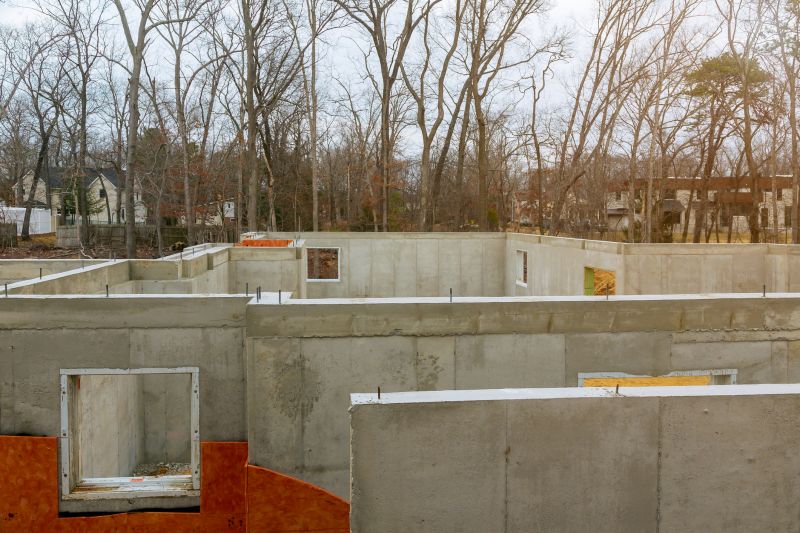 Concrete installations are a fundamental aspect of construction and renovation projects in Lansing, MI, and surrounding areas. Whether you're pouring a new driveway, constructing a patio, or installing a concrete walkway, selecting the right products is essential for achieving durable and visually appealing results. The landscape of concrete installation tools and materials offers a wide variety of options designed to meet different project requirements, skill levels, and environmental conditions.
Top Overall Option
Concrete Mixing and Curing Kit
A comprehensive concrete mixing and curing kit provides all essential components for preparing, pouring, and finishing concrete. It typically includes a durable mixer, trowels, curing compounds, and sealers, offering a unified solution for various project sizes. This type of kit is valued for its convenience and versatility, making it suitable for both DIY projects and professional applications. Proper use of these products can help ensure consistent mixing, effective curing, and a smooth finish, contributing to the durability and appearance of the installation.
Types of Products For Concrete Installations
Concrete Mixers
Portable or stationary devices used to combine cement, sand, gravel, and water to produce concrete with consistent texture and strength.
Trowels and Floats
Tools designed for spreading, smoothing, and finishing freshly poured concrete surfaces to achieve a flat, even finish.
Concrete Sealers
Protective coatings applied after curing to enhance surface durability, resist stains, and improve appearance.
Curing Compounds
Products that help retain moisture in concrete during the curing process, reducing cracking and surface imperfections.
Form Release Agents
Materials applied to molds or forms to prevent concrete from sticking, ensuring clean edges and easier removal.
Admixtures
Chemical additives incorporated into concrete mix to modify properties such as setting time, workability, and strength.
Concrete Edgers and Groovers
Tools used to create decorative or functional edges and control joints in concrete surfaces.
Surface Cleaners
Products designed to remove dirt, stains, or laitance from concrete surfaces prior to sealing or finishing.
Reinforcement Materials
Includes rebar, wire mesh, or fiber additives used to strengthen concrete structures.
Vibration Tools
Devices used to eliminate air pockets and ensure proper compaction of concrete during pouring.
Expansion Joints
Preformed joints inserted into concrete to accommodate expansion and contraction, reducing cracking.
Concrete Dyes and Stains
Coloring products used to enhance or alter the appearance of finished concrete surfaces.
Surface Texturing Tools
Tools like brooms or stamps that add decorative textures to concrete surfaces.
Anchors and Fasteners
Hardware used to secure fixtures or structural elements to concrete surfaces.
Concrete Repair Products
Patching compounds and fillers designed to repair cracks, holes, or surface imperfections.
Formwork Systems
Reusable molds and panels used to shape and support poured concrete during setting.
Waterproofing Membranes
Materials applied to concrete surfaces to prevent water infiltration and damage.
Popular Choices
Essential for mixing large batches of concrete efficiently, suitable for various project scales.
Commonly used tools for finishing concrete surfaces to achieve desired smoothness.
Widely used to protect concrete surfaces from stains and wear over time.
Popular for maintaining proper moisture levels during the curing process.
Frequently selected for clean form removal and surface quality.
Often chosen to modify concrete workability and setting characteristics.
Commonly installed to control cracking in large slabs or surfaces.
Popular for preparing surfaces before sealing or staining.
Standard reinforcement options for structural integrity.
Frequently applied in areas exposed to moisture or water contact.
Trending for decorative concrete projects.
Commonly used to ensure proper compaction during pouring.
Essential for attaching fixtures securely to concrete surfaces.
Popular for creating decorative finishes.
Frequently used for quick fixes and maintenance.
Widely utilized for shaping concrete structures.
From foundational tools like concrete mixers and trowels to finishing products such as sealers and curing compounds, each product plays a vital role in the success of a concrete project. Proper preparation and application of these products can influence the longevity and appearance of the finished surface. For DIY enthusiasts and professional contractors alike, understanding the features and uses of various products helps ensure that each phase of the installation process aligns with safety standards and quality expectations.
In Lansing, MI, where seasonal weather variations can impact concrete curing and finishing, choosing products that accommodate local climate conditions is particularly important. High-quality concrete additives, weather-resistant sealers, and appropriate tools can help mitigate issues like cracking, uneven curing, or surface deterioration. Investing in the right products not only enhances the structural integrity of the installation but also contributes to its aesthetic appeal and long-term performance.
Ultimately, the selection of products for concrete installations should be guided by project scope, environmental factors, and desired outcomes. Consulting with local suppliers or experts familiar with Michigan's climate can provide valuable insights into the most suitable options. Properly equipped and informed, Lansing residents and contractors can achieve concrete surfaces that stand the test of time and weather, all while maintaining safety and efficiency throughout the process.
Key Buying Considerations
- Project scope and size to determine the quantity and type of products needed.
- Climate conditions in Lansing, MI, including temperature fluctuations and moisture levels.
- Compatibility of products with existing surfaces or materials.
- Ease of use and whether tools are suitable for DIY or professional use.
- Durability and long-term performance expectations.
- Curing and sealing requirements based on surface exposure and use.
- Budget constraints and cost-effectiveness of product options.
- Availability of replacement parts or accessories for tools.
- Safety features and ease of handling, especially for power tools.
- Environmental conditions that may affect curing or setting times.
- Compatibility of additives and admixtures with the base concrete mix.
- Surface finish preferences, such as smoothness or textured surfaces.
- Timeframe for project completion and drying or curing times.
- Local supplier availability and support services.
- Compliance with local building codes and standards.
This content may contain affiliate links. We earn commissions from qualifying purchases to support our work and provide valuable information.